
When the idea of Community Theatre began, Sarasota was a small town with a population of 8,000 which grew by 5,000 visitors in the winter months. Fanneal Harrison and Catherine Gavin, owners of the Out-Of-Door School, were looking for activities which would interest its faculty. Finding that theatre was at the top of the list, they gathered a group of friends to discuss the possibility of starting one.
By-laws for the new enterprise were drawn up that first night, and work started the next day on the theatre “site.” Mrs. Charles Hull Ewing was elected president for this founding year. The Players’ first home was the deserted clubhouse of the abandoned Siesta Key Golf Club. The founding members immediately set to painting, cleaning, and building benches and a makeshift stage. Lights were installed and curtains sewn.
Few of the technical staff knew anything about stagecraft. The amateur directors had never directed before, and for most of the actors, it was a “first appearance.” Adelaide Beane, a member of the Out-of-Door school faculty, was the first director for The Players. Three years later, Miss Beane joined the New York Theatre Guild and became the first member of The Players to be featured on Broadway.
Despite the shortcomings of the theatre, on the evening of January 10, 1931, the curtain rose on the first production of The Players of Sarasota – three one-act plays, directed, staffed and acted by amateurs and enthusiastically received by 256 members and friends. Several more plays were represented that first year. Membership was $2, and by the season’s close, 281 Sarasotans had joined the Players.
Spurred by the acceptance of and interest in the first season, The Players wasted no time in preparing for bigger and better productions. It was evident that they had filled a real need, and it was time to branch out and make the organization even more of an asset to the community.
For the second season, membership was increased to $5, payable in two installments. However, the dues were later reduced to $2 because of the depression hardships, which were reaching a peak. The Players of Sarasota, Inc. was formally chartered as a nonprofit organization in December 1931.
During these early years, funds for operating the little theatre came from membership dues. Budget deficits were often covered by individual members. However, The Players closed the third season without a deficit and was hailed as the largest little theatre group in the state with 305 adult and 39 junior members.
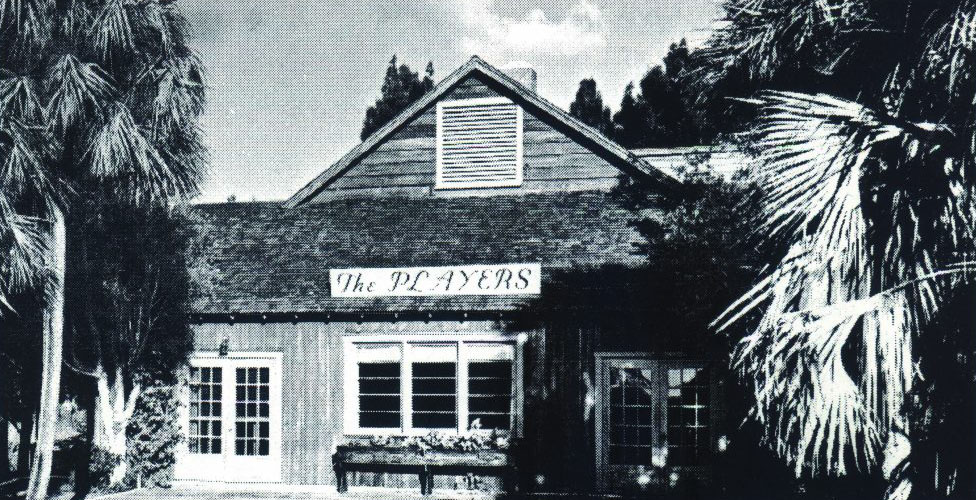
On December 13, 1936, the new theatre was introduced to the members and the community at an open house tea attended by over 500. The cypress building was a far cry and a long haul from the ramshackle golf club house on Siesta Key, where a group of theatre loving friends decided to give a community theatre a go. The new building had 246 seats, and the lobby, with a large fireplace, was decorated with maple furniture upholstered in turquoise blue. A large, deep stage and a complete lighting system promised to further enhance PIayers productions. The Founder’s Circle of the Sarasota Federation of Garden Clubs undertook the landscaping of the grounds as their winter project. In all, $9,497 was expended for the new Players home. Built from the donations of more than 250 individuals and firms, it was a true community endeavor and a labor of love.
In addition to Adelaide Beane, The Players’ first director, this little theatre added another ‘name of fame’ to its roster during the first decade – Montgomery Clift, who made his acting debut with the Players in As Husbands Go in 1932. Ten years later, he relayed this experience in an interview in Modern Screen magazine.
” … The theatre that gave me my first taste of grease paint was The Players of Sarasota, where I had a small part in As Husbands Go. The production was part of the Little Theatre movement that was beginning to flourish at that time, and there are times when I fear the public response was more enthusiastic about the general idea than about the particular production involved.”
Evolving into a full scale, self supporting enterprise purely by volunteer work and donations was a feat matched by few organizations during the 30s. The first 10-year ‘act’ of The Players ‘little theatre’ production ended with 950 members.
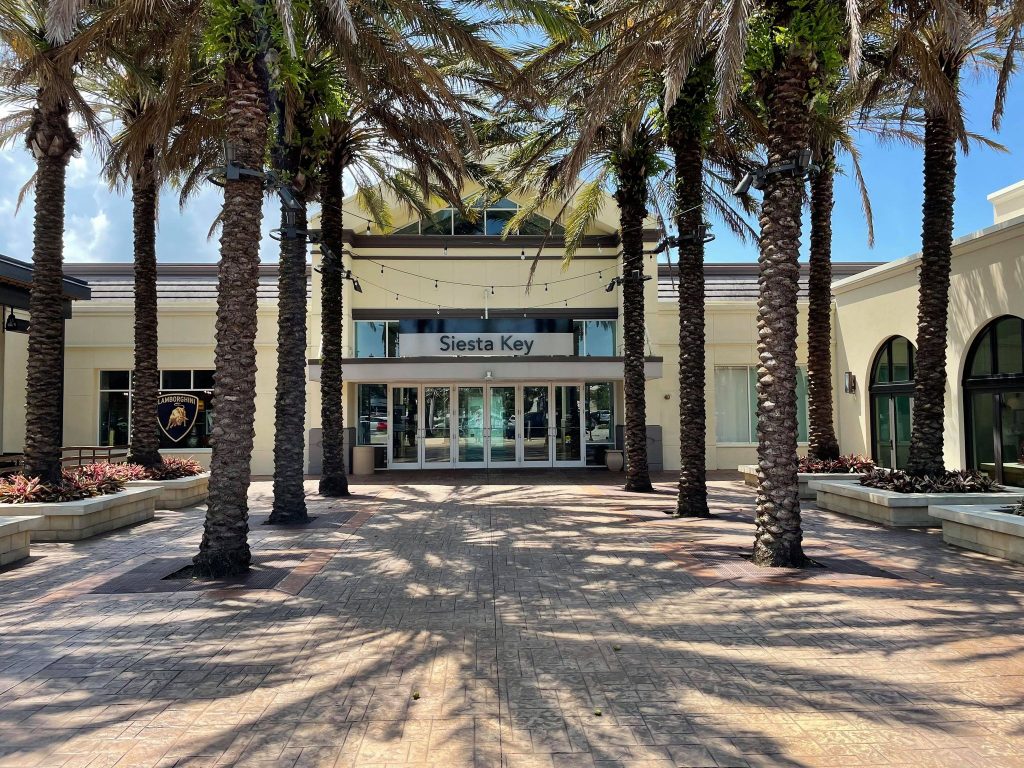
The Players current home in the Crossings at Siesta Key shopping mall has been considered a temporary stop while the company looked for a more permanent home. The move was triggered by a decision made by former theater leaders in 2016 to seek funding for a new theater complex they proposed for the Waterside development in Lakewood Ranch. At one point the estimated cost topped $30 million.
Those plans were eventually dropped. The Players sold its longtime home on North Tamiami Trail, across from the historic Sarasota Municipal Auditorium, in 2018, for more than $9 million. It leased back the building for a couple of seasons until the COVID pandemic made producing new shows impossible.
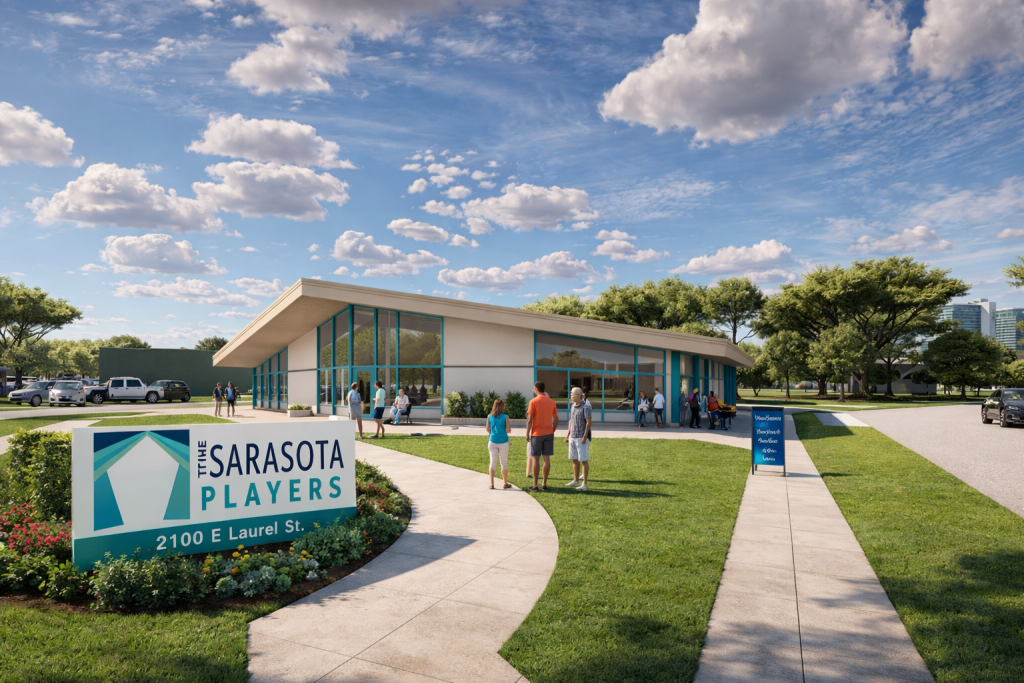
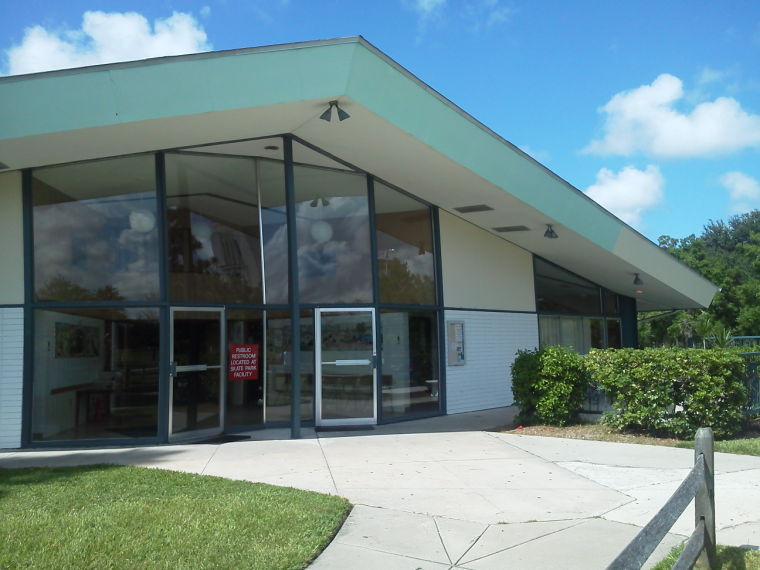
After moving into the shopping mall, the board initiated efforts to move its operations to the Municipal Auditorium, but the Sarasota City Commission rejected that proposal. City leaders later suggested an alternative space in the smaller Payne Park Auditorium, which opened in 1962 as a community center that was popular for many years for live music programs and dances for the mobile home park that once surrounded it. More recently it was used for offices and storage by the city’s parks and recreation department.
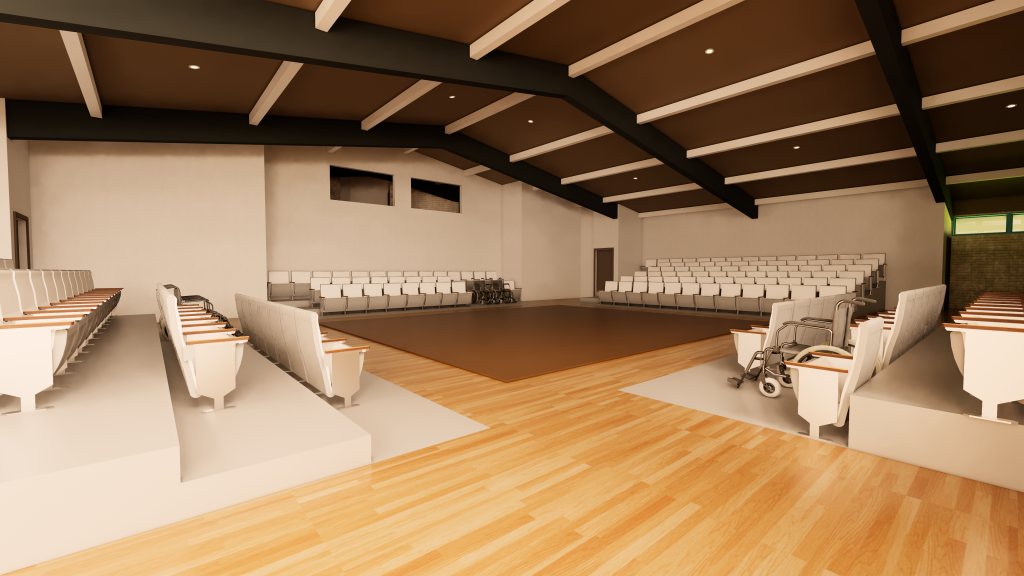
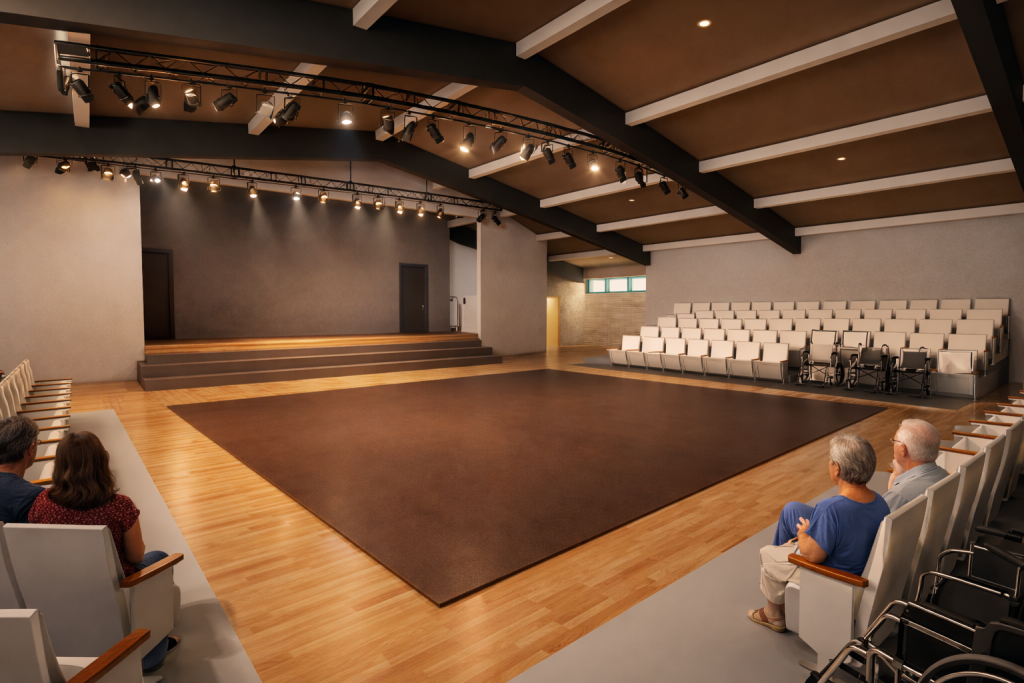
In 2024, the city approved a 30-year lease for the Players to use the existing building with some interior renovations and improvements for $100 a year, plus $1 from every ticket sold for performances and programs.